DRC and Rwanda signed a pivotal yet polarizing “Washington Accord” peace treaty to end decades of conflict between DRC and Rwanda on the 27th of June 2025. However signing of peace deals doesn’t guarantee peace, as evidenced by the multiple peace deals of the past, the Lusaka Ceasefire Agreement of 1999, the Pretoria Agreement of 2002, the Nairobi Process of 2021-2022, and the Luanda Process of 2022.
But this one’s different only if the DR Congo realizes its unique position. Regardless of the arguments for or against the signed deal, it’s done, and provides the biggest opportunity for not only peace for DRC, but for rebuilding a nation. DRC, it’s time for you to rebuild. It’s time to wake up to the possibilities.
It’s different this time
Oh, DRC, you hold a near-monopoly on some of today’s most critical minerals, which are crucial for modern technology and the green energy transition. Let’s even for one second forget your unparalleled mineral wealth.
The geopolitical rivalry between powers like the US and China has been intensifying rapidly in the past few months. And now, the DRC is the central battleground for them to go head-to-head over critical mineral resources. China has dominated for decades in this regard, but it’s no secret that the US is looking to diversify its supply chains away from China.
The direct rivalry for access and influence between the two means that you, DRC, are being courted by two global powers. And more are about to be at your doorstep. That’s a position of power.
And with the benefit of security in the eastern part of the DRC, you can get to explore your potential for sustained, large-scale, and legitimate mineral extraction in place of conflict, which was the biggest enabler of resource exploitation.
This isn’t the Berlin Conference, where you lacked sovereignty, agency, and a voice. This time, you’re not helpless. This time, you hold quite a few cards:
- Diversified investment opportunities: The deal opens up new US and Western investment that enables the DRC to attract capital from various sources and reduce its over-reliance on China in the critical minerals sector.
- Transformed regional economic integration: There’s a commitment to a formal regional economic integration framework, including the Lobito Corridor project. It’s to expand legitimate trade and investment and improve the efficiency and transparency of mineral exports.
- Greater bargaining power: With both China and the US (and the EU) vying for access, you have a stronger position to negotiate. Better terms for mineral contracts, higher royalties, more local processing and value addition, among others.
- Strong international diplomatic support: The high-level mediation by the US and Qatar offers a degree of international legitimacy and attention. This yields sustained diplomatic pressure on actors destabilizing the region and garners support for humanitarian efforts.
The paradox of plenty
However, regardless of more than an estimated $24 trillion in untapped mineral reserves and its central location where it shares borders with 9 countries, more than 70% of the population is living in extreme poverty. More than 7 million people have been displaced by decades of violence.
DRC is also the second largest country in Africa with vast arable land and the agricultural production potential of feeding 1/4 of the world’s population (or at least the whole of Africa), yet it astonishingly experiences food insecurity. As for freshwater reserves, it holds more than 1/2 of Africa’s surface water reserves and almost 1/4 of its total renewable freshwater resources. But only about 35% access to basic water, low access to sanitation services, and even lower access to safely managed drinking water. Some of the lowest rates in the world.
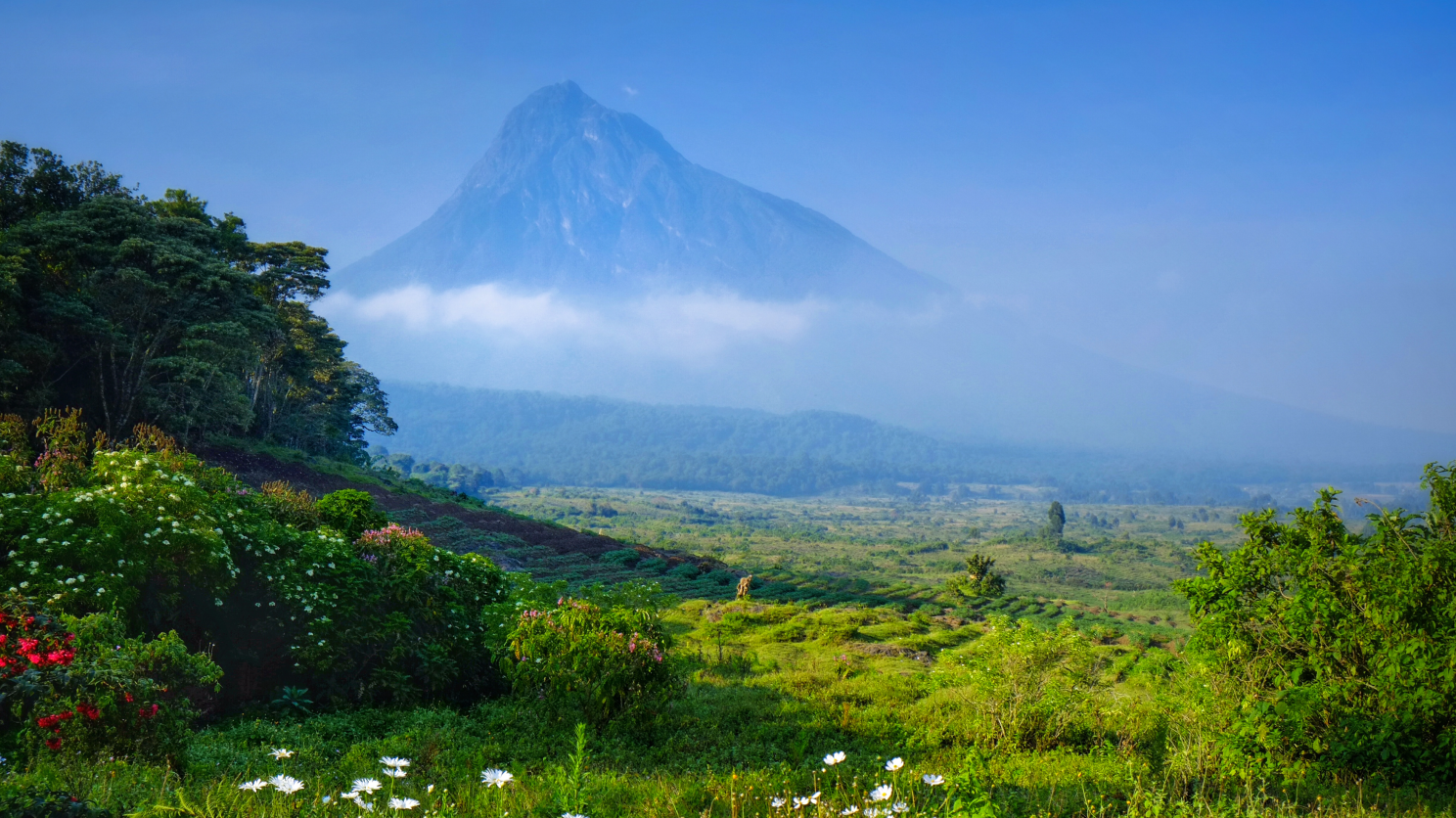
With vast terrain, diverse climatic conditions, biodiversity, and the second-largest rainforest in the world, tourism should be booming in the DRC. However, armed conflict and political instability peg back DRC’s tourism potential as they taint the country’s image as a tourist destination. These are just some of the thorns in the nation’s side, but the promise of peace offers hope for the resolution of each.
The possibilities
The promise of security, especially in the eastern part of the DRC, opens up a variety of possibilities across the most obvious sector, mining, and across a handful of less considered ones.
Mining
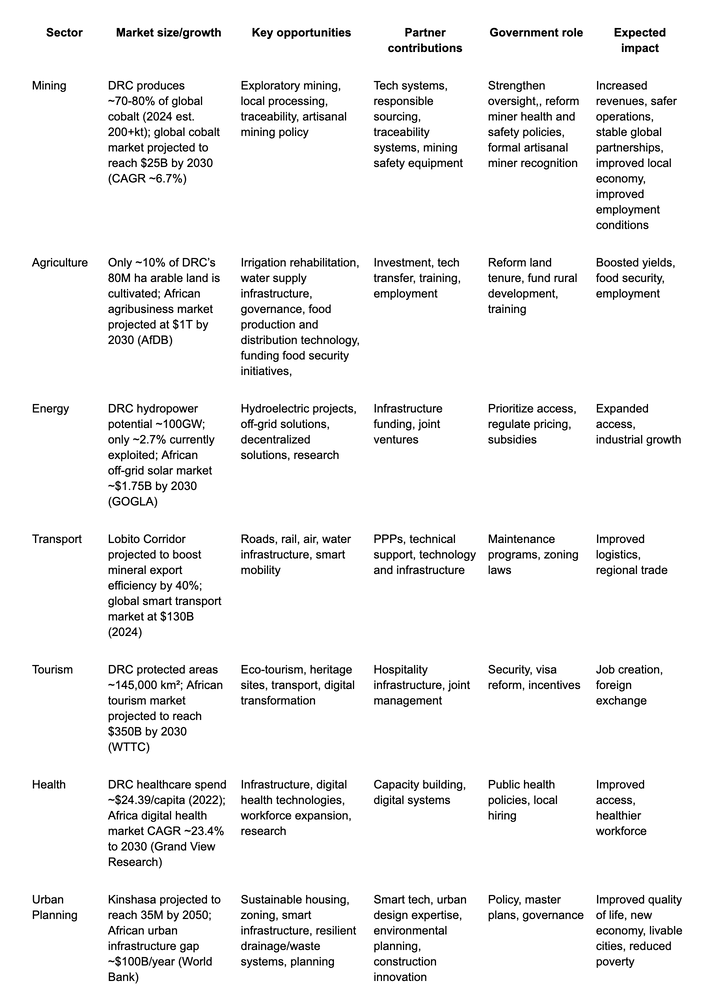
As the world’s largest cobalt producer, accounting for approximately 70% of the global reserves, and with the prediction that the cobalt market will double by 2030, the most lucrative, most obvious opportunities are in mining.
The nation’s also a massive global source for key minerals like cobalt, coltan, copper, and diamonds. With untapped potential in the tens of trillions, political stability offers the opportunity to more predictably and consistently explore its unexplored mineral potential.
What does this mean for DRC?
It has the potential to produce more than half of the key minerals needed for global battery production for decades to come. It’s also an opportunity to explore more of the territory to discover more mineral-rich locations.
Political stability and significant competing foreign interests (especially between the US and China) also provide an opportunity for the DRC to increase the mining royalties as well as set up systems for more local processing of minerals.
Artisanal miners produce approximately 10-20% of the DRC’s cobalt and copper. These numbers are too big to ignore from a socioeconomic perspective. Thus, this is an opportunity to implement a policy that recognizes, legally places, and improves the quality of life of artisanal miners.
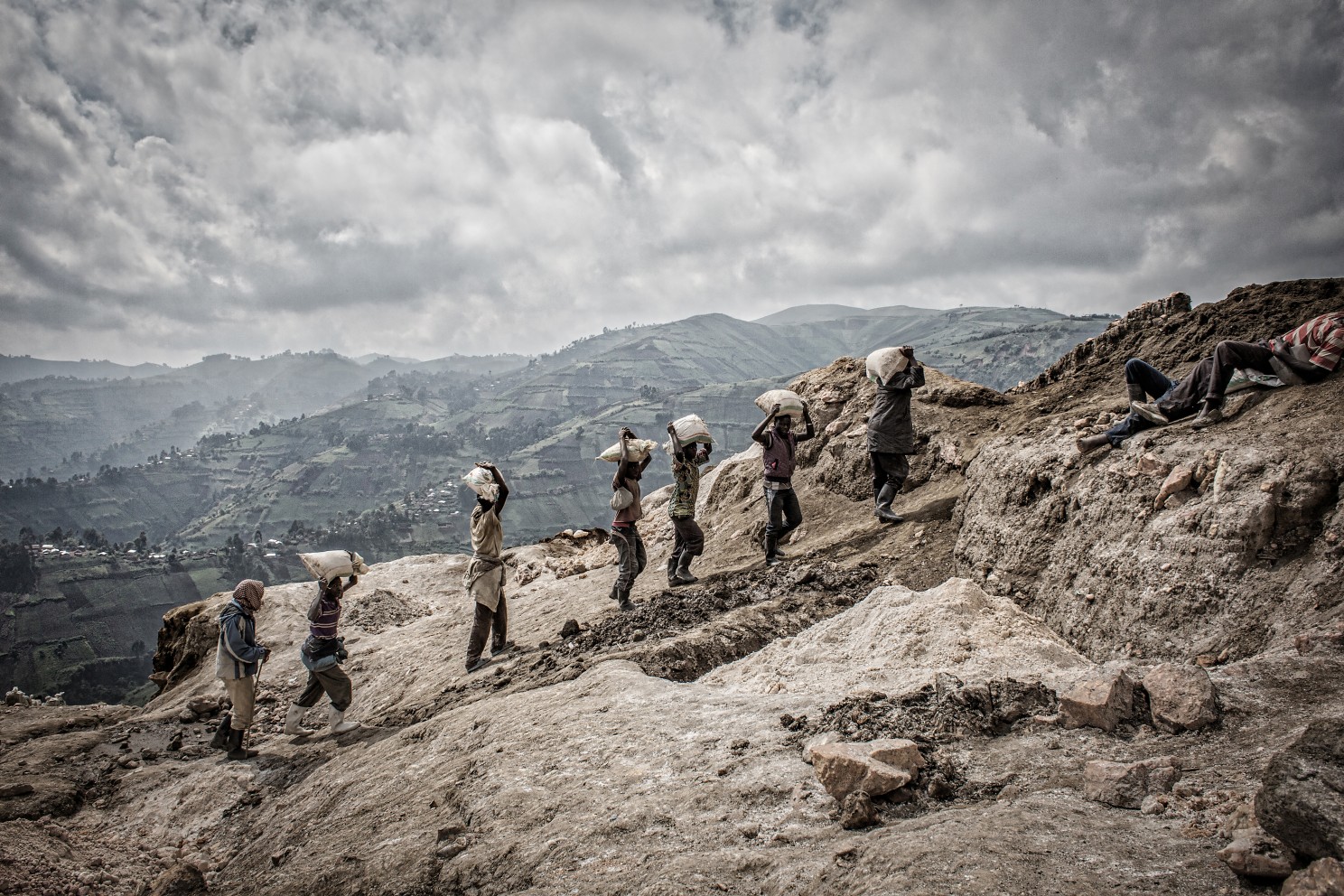
Improve conditions for miners as a whole. Safer mines, better income, improved gear, quality training, miner health considerations, and more.
But focusing on market growth while ignoring the systemic issues of the industry will significantly lower the industry’s ceiling.
What does this mean for partners?
Systemic issues like corruption, opacity, and illicit trade will dim every effort to overhaul DR Congo’s mining. But if the government is truly committed to curbing these issues, there’s an opportunity to modernize supply chains.
There’s a need to make them more robust and transparent. The outcome will significantly lower the fluctuation of mineral prices.
On a digital front, traceability systems for critical mineral sourcing at scale from mine to consumer will help provide mineral provenance, enforce responsible sourcing, and curb various forms of exploitation, corruption, and unexplained price and demand fluctuations through the supply chain. Such systems will encourage strong collaboration between the government, civil societies, and companies.
A platform like Tracr is an a example, but consider different types and levels of sophistication and scale of mining businesses and approaches, from large-scale businesses to artisanal, right from the design stage.
Note that these kinds of traceability systems can be translated to other sectors, especially those that feature supply chains. The enemy isn’t the inefficiencies; the enemy is corruption, opacity, and exploitation. Keep this in mind when developing solutions.
Water and food security
To make the most of more than 50% of Africa’s surface water reserves, there’s an opportunity to invest in building and expanding water infrastructure. These include building and rehabilitating water supply infrastructure like pipelines, distribution networks, and treatment plans, and more. A sector that will greatly benefit from any such expansion is agriculture.
From a 2024 ADB report, one of the biggest hindrances to the advancement of the agricultural sector is poor irrigation water management. Long periods of conflict have either damaged or encouraged neglect of existing infrastructure and irrigation systems.
Considering DRC has over 80 million hectares of arable land and about 4 million hectares of irrigated land, there’s massive agricultural potential to improve the cultivation rate. As a result, this presents an opportunity to rework, rehabilitate, and develop these irrigation systems. A few examples of opportunities include building infrastructure, providing technology, funding food security initiatives, and training and equipping farmers to boost their productivity and exercise an entrepreneurial mindset.
Especially considering the gaps left by global aid cuts and how hard they hit African states. We need long-term solutions that empower DRC citizens to maximize their food security potential.
There’s also the desire to improve the sector’s governance framework, which would be helpful in areas such as land tenure that need stronger governance structures to truly unlock large-scale commercial farming. The nation is open to cooperation with players involved, be they local or international, entrepreneurs, public, private, technical, or financial.
Firing on all these cylinders would propel DR Congo towards its desire to become Africa’s breadbasket.
Transport and energy
Even with all the viable gaps in the agriculture sector, as long as the transport and energy networks are inadequate, the sector’s output will be less than optimal. Based on its potential, the water transport network is underdeveloped, with neglected shipping infrastructure. Pair this with an underwhelming air travel infrastructure, severely dilapidated roads, railways, power grids, and water supply systems. These inadequacies make it difficult not only to transport mineral and agricultural resources efficiently but also to provide basic services to urban populations.
Without further description, it’s obvious that some of the opportunities here are in the rehabilitation and expansion of roads, modernization of railways, improvement of waterways, and upgrading of airports. Beyond these, there’s such potential for smart mobility solutions in urban centers, especially with the vast mineral resources capable of powering electric vehicles, micro mobility options, and more.
Hydroelectric power is the nation’s main energy resource, with about 100,000 MW potential, covering about 13% of the world’s hydropower potential. Nonetheless, the electricity sector is still mostly untapped, with some of the lowest electrification rates across the continent.
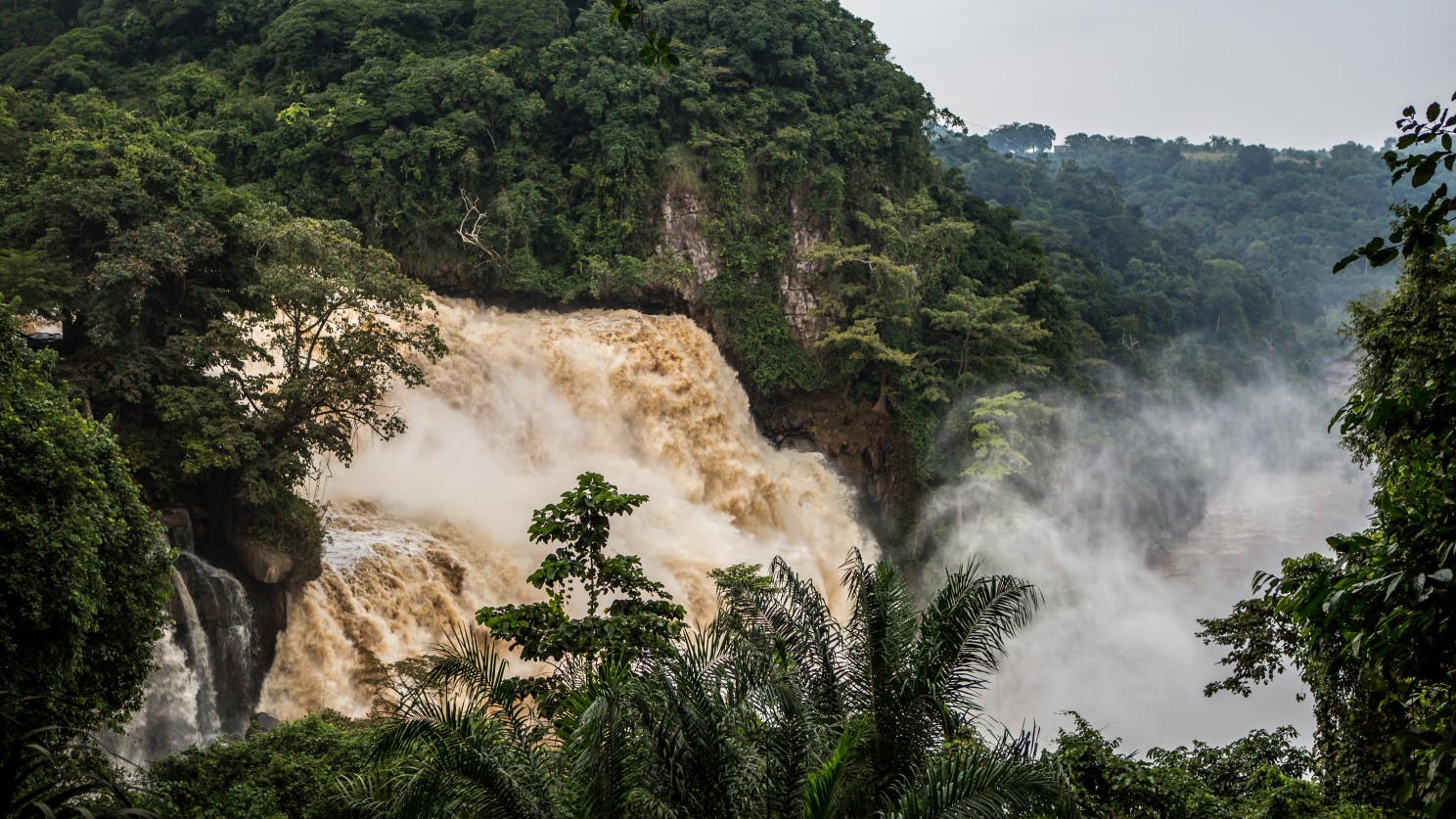
As per the World Bank, only about 19% of the DRC’s population has access to electricity. And only 1% in rural areas. The government’s goal is to raise this to at least 32% by the year 2030.
Consider the Grand Inga project, with the potential to produce twice as much power as China’s Three Gorges. This would make it the largest hydroelectric plant globally. There’s an opportunity to finally actualize such a project, as investor confidence will be boosted by political stability. However, decision makers should prioritize supplying the people with power instead of focusing on powering mining companies and exporting power. Should that be the case, expect to see viable ventures for overhauling and implementing last-mile connectivity infrastructure. This should also lay the foundations for more innovative solutions like decentralized, off-grid solutions, mini-grids, and more.
These large-scale projects should also be undertaken with great consideration for the environment, from impact on biodiversity to the resettling of people living in these regions. Other opportunities to consider in this area are assessments and research studies to determine the impact of large-scale infrastructure projects on the region, as such opportunities are worth tens to hundreds of millions of dollars.
Tourism
With an ecosystem covering almost 145 hectares, about 12% of the DRC is made up of protected areas, with 7 national parks and 57 reservation areas, of which 5 are included on UNESCO’s World Heritage list. It has 4 endemic species: Mountain Gorillas, Okapi, Bonobos, and the Congolese peacock.

However, conflict has greatly affected tourism activities, such as gorilla trekking, with the tourism sector as a whole losing significant revenue. This isn’t helped by poor infrastructure, in addition to the negative destination image that we can credit to conflict and political instability. But DR Congo seeks to turn this around, as they’ve communicated investment opportunities around:
- The rehabilitation and building of tourist infrastructure, like hotels, restaurants, and protected areas.
- Design of new tourist sites.
- Modernizing national parks and joint management opportunities.
- Eco-tourism development.
- Creating river boating transportation for tourists, marinas, lakeside transportation, and hiking.
- Setting up cable cars in mountain areas with accommodation and catering.
- Building seaside resorts with beaches, as well as shoreline access camping equipment.
All these and so much more will not only transform tourism in the DR Congo but also consciously foster the restoration of the natural environment that has suffered pollution or been destroyed by conflict, mining, neglect, and more. It creates employment too, potentially offering people an alternative to joining rebel groups.
What an opportunity to showcase the beauty of the restored natural environment of DR Congo.
Health
Combining a high disease burden, low life expectancy, an understaffed and underfunded health sector, limited access to healthcare, and the impact of humanitarian crises, the health sector can be a prime beneficiary of this peace deal.
Consider the exposure of miners and those living around mines to radioactive elements, unsafe working conditions for miners, poor water sanitation infrastructure, and environmental pollution. All these are areas crying out for healthcare solutions. Potential solutions to consider should revolve around increasing the density of healthcare workers and rehabilitating and expanding health infrastructure to reduce barriers to access.
Afterwards, the sector will be ripe for digital health technologies. Improved stability will make it easier to enhance connectivity through infrastructure like fiber optic cables and GSM antennas in remote areas. This will open the floodgates to telemedicine and remote consultations, mobile health applications, including supply chain management, data collection, and disease surveillance in previously unstable and inaccessible areas.
Sustainable cities
In an ideal scenario where all the above sectors are revived and dovetailing, there’s access to all the raw materials to build world-class infrastructure, mineral resources that power global tech, and significant arable land…
What do you get when you combine all these resources and systems? The building blocks for a sustainable city. There’s a case for building sustainable cities across the country, characterized by low emissions and greater reliance on locally sourced resources. An opportunity for building modern urban infrastructure that mirrors our culture, climate, topology, and potential. These won’t be foreign replicas or imported foreign solutions.
This is a more ambitious approach to renew the ruins throughout the land, as opposed to restoring and commissioning infrastructure with little to no improvement on what was there prior. These wouldn’t be magical places meant to fix all the issues the nation faces in one sweep. No. But they would be environments offering practical solutions to some of the problems the people of the DRC face.
Properly zoned urban centers that will ensure mines aren’t displacing people and causing health complications. There’ll be modern and efficient transport networks to support agriculture, mining, healthcare, trade, and commercial activities. Waste management will be proper, and the general quality of life will be raised. Hydropower will be used for sustainable, large-scale electricity to phase out reliance on fossil fuels.
Practically, cobalt can be used to power infrastructure through lithium-ion batteries in electric vehicles and urban transport networks as a whole. Copper can power and build energy, and communication infrastructure. Lithium for EVs, portable electronics, and backup power systems. Tin, tantalum, and tungsten for electronics, semiconductors, and high-performance components common in embedded technologies like sensors and IoT devices.
Ultimately, these minerals can be used to spark an industrial revolution in the DR Congo.
However, this doesn’t work with corruption. It doesn’t work with exploitation, self-interest, injustice, and oppression. Such a dream is viable, but from a heart to build for the benefit of a nation, not a handful of pockets. This also doesn’t work if a nation doesn’t arise to realize such a collective goal. From a mindset of captivity to truly realizing and walking in its abundance.
Rebuilders assemble!
But none of the above sectors will truly come to life if the wrong culture, partners, policies, and government decision makers are in place. Issues like corruption and incompetence are less about financial resources and infrastructure and more about the people in corridors of influence. Therefore, for the DR Congo to truly be revived, there has to be a specific profile of players to drive the change.
Listen, the goal isn’t to force you to be concerned about anything beyond business interest and bottom lines, but to draw your attention to a shift that’s sweeping over Africa, where the models of foreign investment that worked yesterday won’t be today. Any approach or system that views a market as mere numbers and excludes the culture or the quality of life of the people is just a structured approach to make losses eventually. If it’s long-term profit you’re after, the money is where the hearts of the people are.
Here’s a checklist of what’s needed from rebuilders:
Interests of the people
Beyond the allure of the mining opportunities, it’s impactful to have partners considering the people of DRC. Top of the list: the resettlement of refugees. This includes offering incentives for the refugees and asylum seekers scattered across Africa to return, rebuild, and heal.
Urgent initiatives may include the delivery of aid to the distressed, displaced, or returnees. Long term, let’s consider rebuilding homes, restoring the environment ravaged by conflict and its by-product, and restoring various infrastructure. Also, prioritize local capacity building by improving local technical expertise through relevant education, scalable industries to provide meaningful work and training to people, and further community development initiatives.
Furthermore, when involved in infrastructure projects that result in the unavoidable resettlement of residents, ensure enforcement is legal, humane, and mutually beneficial, yielding the right compensation for each person. Ensure that the resettlement is a benefit and not a disadvantage for them.
Ethics and morality
With conflict comes several ethically and morally questionable systems. Illicit mineral trade, exploitation and corruption, environmental degradation, poaching, and smuggling, among others. The right stakeholders will not capitalize on such opportunities for exploitation, but take an interest in implementing systems that are ethical and moral. Have a backbone.
Therefore, steer clear of blind partnerships. Do your due diligence. Ensure you’re not inadvertently contributing to violence, human rights violations, and other ethical and moral no-nos. For example, in the case of minerals, should you be a beneficiary of conflict minerals from militia-tied supply chains, expect reputational damage as new systems of transparency and accountability emerge.
Responsible sourcing is the bare minimum. The secret to longevity in the region would be to leverage whatever form of influence you have for the implementation of clear regulatory frameworks. The stability and clarity will yield more predictable business outcomes. Implement systems and culture that enforce accountability and transparency.
Additionally, prioritize the well-being of miners by improving their working conditions and overall quality of life. Pay what’s right. Hire eligible personnel. A journal mentions miners as young as 7 years old, with another report claiming that child miners earn up to $2.50 a day while adults get between $2.15 and $8.60 per day. This applies in sectors beyond mining. Hire eligible personnel, raise the quality of life, and pay what’s right.
Awareness and risk tolerance
Rebuilding will always have its detractors. Be neither naive nor ignorant as an active participant in rebuilding a nation. Understand the times. Be aware of internal and external parties with differing interests, and how they comply with the peace deal, so as not to be blindsided at any point by changing market and political conditions. You’ll better anticipate any moves by different players and be better placed to effectively navigate this game of interests.
Couple this with a willingness to operate in fragile or complex environments, or high risk tolerance, and opportunities will continue to present themselves. You’ll be better positioned to identify more strategic partnerships. Focus on partnerships and joint ventures with firms with aligned interests to yield mutual benefits for partners and the nation.
It goes without saying that the contrary will result in failure and substantial losses, and in such a complex environment, you’ll not only be down, but out.
Rebuild, renew, restore
Regardless of the sentiments towards the signed deal, the only direction is forward. It’s an opportunity to rebuild, and rebuilding isn’t just throwing money at seemingly viable gaps and expecting ROI. No. The peace deal is a formality, but what’s needed in the long run is using this as a stepping stone towards freedom through establishing systems to empower the people of DRC to stand sovereign and maintain true peace.
The time for exploitation borne of the view that DRC is a damsel in distress is up. DRC, you’re not looking for saviors, you’re looking for partners to serve you and restore your lands. Do you see the possibilities? Africa, take note. Do you see the possibilities?


 tabiri